
The Short Answer
Nationally, replacing one torsion spring typically runs $150 to $350, and most technicians will recommend replacing both springs on a double-torsion system at the same time, which runs $300 to $500 for parts and labor combined. Extension springs are usually cheaper, often $100 to $250 for a pair. These are general ranges you'll see across the country, not a quote for your door, because the final number depends on your door's size, spring type, and what else the technician finds once the door is open.
If a quote comes in far below or far above these ranges, that's worth asking about. A very low price might mean a single spring on a system that needs two, or a thinner-gauge spring that won't last. A very high price might include unnecessary extras. Either way, you want to know what's in the number before you say yes.
What Pushes the Price Up
Spring type and size
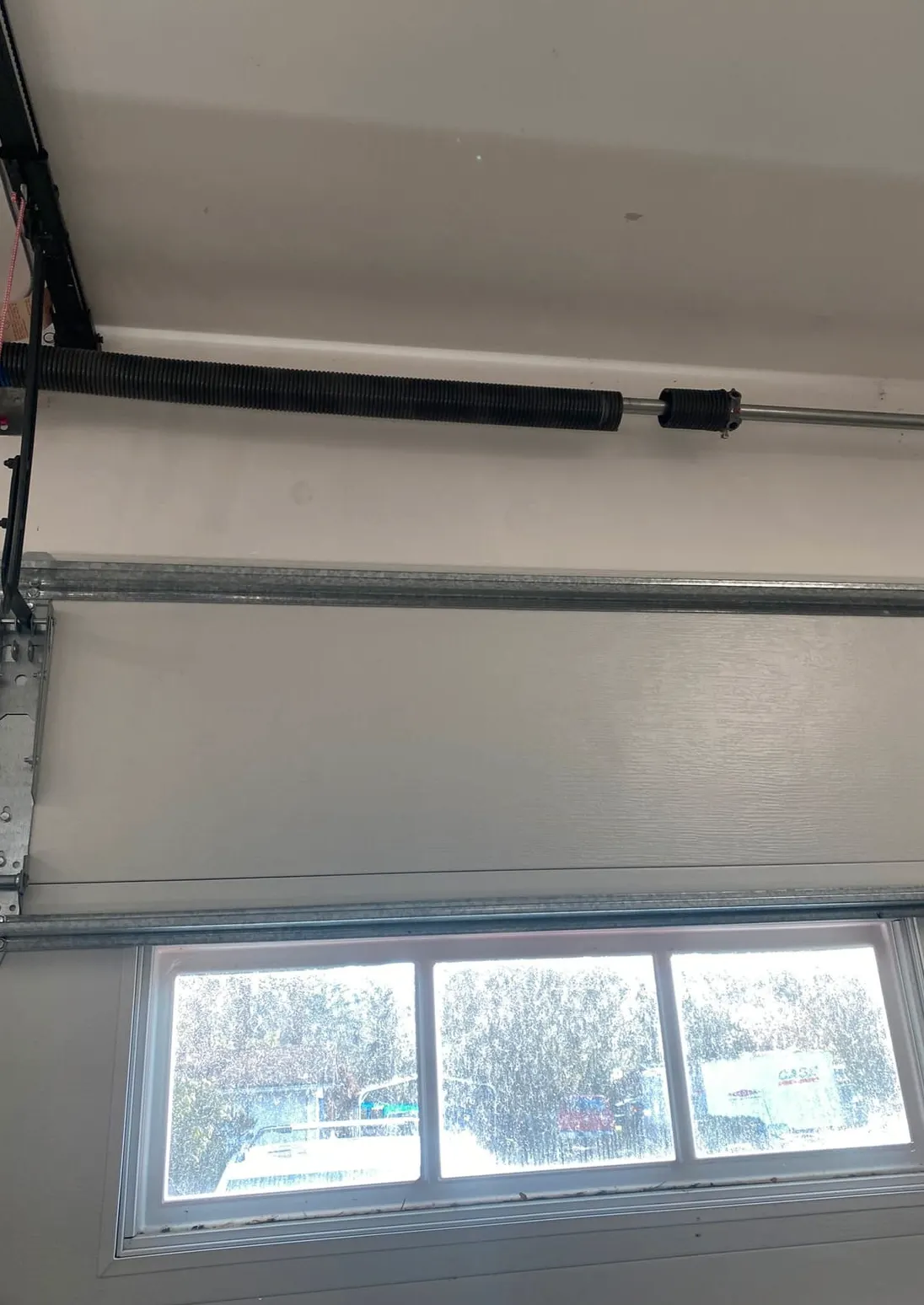
Torsion springs, the kind mounted on a shaft above the door, cost more than extension springs but last longer and are safer to operate because the tension is contained. Heavier doors, like insulated double-wide doors common on newer builds, need thicker, higher-cycle springs, which cost more than the standard-duty springs on a lighter single door.
One spring or two
Most double-torsion systems are designed so both springs wear down together. If one has already snapped, the other is usually close behind, even if it looks fine. Replacing only the broken spring saves money today but often means a second service call within months. Quotes that include both springs cost more upfront but typically save money over a year or two.
Wire gauge and cycle life
Springs are rated by how many open-close cycles they're built to handle before they wear out, commonly 10,000 or 20,000 cycles. Higher-cycle springs cost more per unit but reduce how often you're paying for replacement, which matters if your door gets heavy daily use.
Accessibility and condition of the rest of the system
If the spring failed violently and damaged the center bracket, bent the shaft, or took a cable with it, those parts need replacing too, and that adds labor and material cost beyond the spring itself. An older opener or worn rollers discovered during the inspection can also add line items, though a straightforward spring swap shouldn't turn into a full system overhaul without a clear explanation of why.
Emergency or same-day service
A spring that breaks on a Saturday evening, trapping a car inside or leaving the door wide open, often means an after-hours or emergency service call, which typically carries a premium over a scheduled weekday appointment.
What Keeps the Price Down
Scheduling a standard weekday appointment instead of emergency service, replacing both springs proactively before one fails and damages other parts, and choosing a door that's already a standard residential size all help keep costs on the lower end of the range. Routine maintenance that catches a spring showing early wear, rust, or visible gaps between coils, before it snaps, is usually the cheapest path of all.
Why Local Weather Shortens Spring Life
Garage door springs wear out based on cycles, but temperature swings and the elements speed up that wear. Long, hot summers cause metal to expand and contract repeatedly, and that thermal stress adds up over the years. Sudden storms, wind, and the dust that blows through on dry days can work grit into the coils, which accelerates rust and friction. In the colder months, especially if temperatures dip toward freezing overnight, metal stiffens slightly and springs under tension are more likely to snap on that first cold-morning cycle. None of this means your spring will fail on any particular day, but it does mean springs here often reach the end of their cycle life a bit sooner than the manufacturer's estimate, which is one more reason a spring that's visibly stretched, rusted, or unevenly coiled is worth replacing before it breaks rather than after.
What a Trustworthy Quote Should Spell Out
- Whether the quote covers one spring or a matched pair, and why
- The spring type (torsion vs. extension) and wire gauge or cycle rating
- Labor cost separate from parts cost
- Whether cables, end bearings, or the center bracket are included if they're worn or damaged
- Whether a basic safety inspection of rollers, hinges, and the opener's force settings is part of the visit
- Any trip charge or emergency/after-hours fee, stated clearly rather than buried in a lump sum
- A written warranty on both the spring and the labor
A technician who walks you through these items before starting work, rather than handing you a single flat number, is giving you something you can actually evaluate.
When to Call Arlington Garage Door Service
If your spring has already snapped, or you're hearing a loud bang followed by a door that won't open, don't try to force it, a broken spring under tension is a serious safety hazard. Call for our Spring Replacement service and we'll inspect the full system, not just the spring, to check for bent tracks, damaged cables, or opener strain before quoting the job. If it's after hours or a weekend and the door is stuck open or shut, our Emergency Garage Door Service gets a technician out to secure the door safely and get you a straightforward, itemized price on the spot.
If you're in Arlington, Mansfield, Grand Prairie, Fort Worth, Kennedale, Pantego, Dalworthington Gardens, or Euless and need a clear, honest quote on spring replacement, give Arlington Garage Door Service a call today.